What is the Difference Between a Server Rack and a Server Cabinet?
In the fast-moving world of IT infrastructure, one question pops up a lot among business owners, IT managers, and even curious newcomers: “What is the difference between a server rack and a server cabinet?”
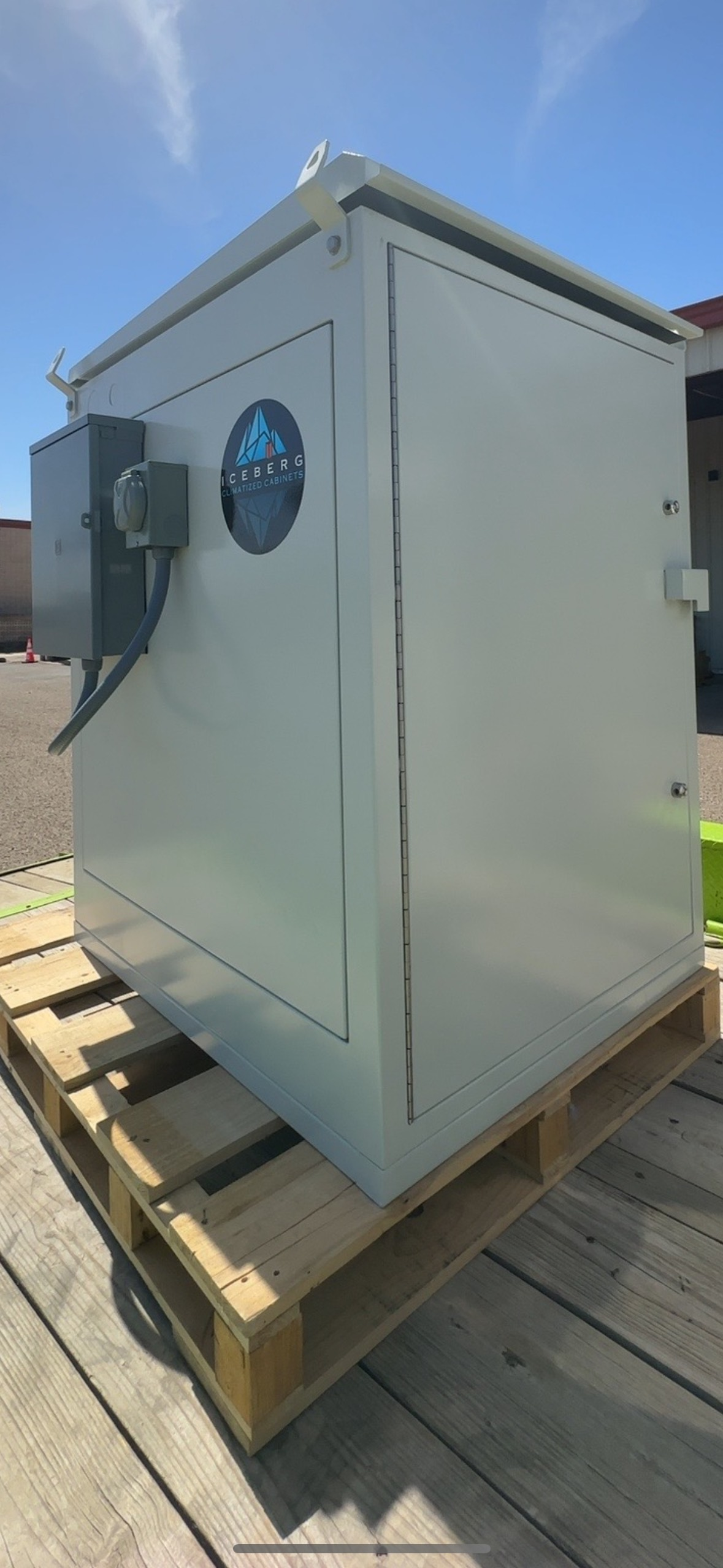
If you’ve ever stepped into a data center—or even browsed through Iceberg Cabinet’s catalog of telecom and server rack solutions in Texas—you might have noticed these two terms used quite a bit. At first glance, they may look almost identical: tall, often black, metal frames that hold servers and networking equipment. But in reality, the differences matter a lot, especially when it comes to security, airflow, cable management, and where they’re installed.
Understanding the Basics: What is a Server Rack?
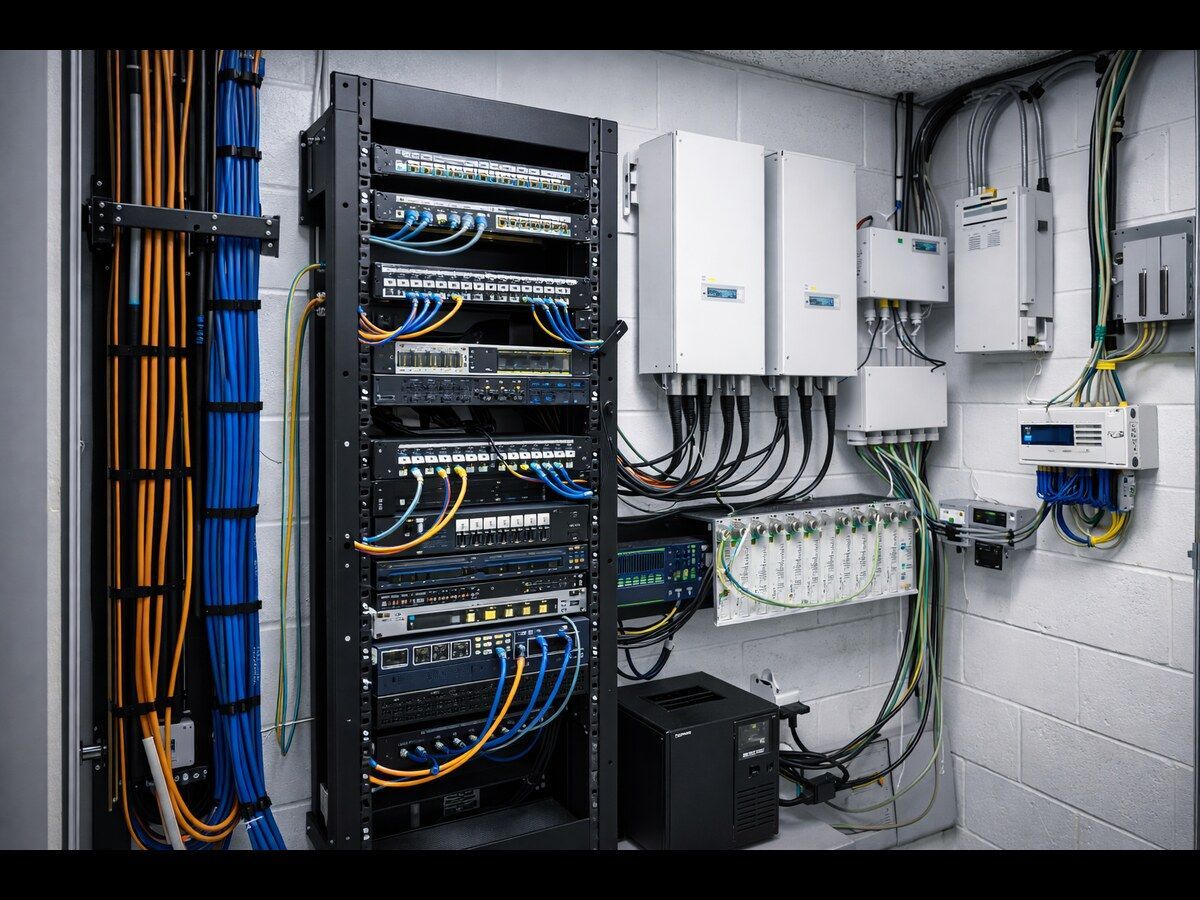
A server rack, in its simplest form, is an open metal frame that holds multiple pieces of IT equipment like servers, patch panels, switches, and more. Think of it as a sturdy shelving unit specifically designed to organize and support heavy electronic gear.
Main features of a server rack:
- Open-frame design: No front or rear doors, and often no side panels.
- Improved airflow: Perfect for equipment that needs plenty of ventilation.
- Easy access: Technicians can quickly install, remove, or rearrange devices.
- Lightweight: Easier to move and adjust than a fully enclosed cabinet.
Server racks are especially popular in environments where physical security isn’t the top concern—like locked server rooms or data centers where only authorized personnel can enter. Because of their open structure, they allow for superior cooling, which can help keep costs down by reducing the need for powerful cooling systems.
What is a Server Cabinet?
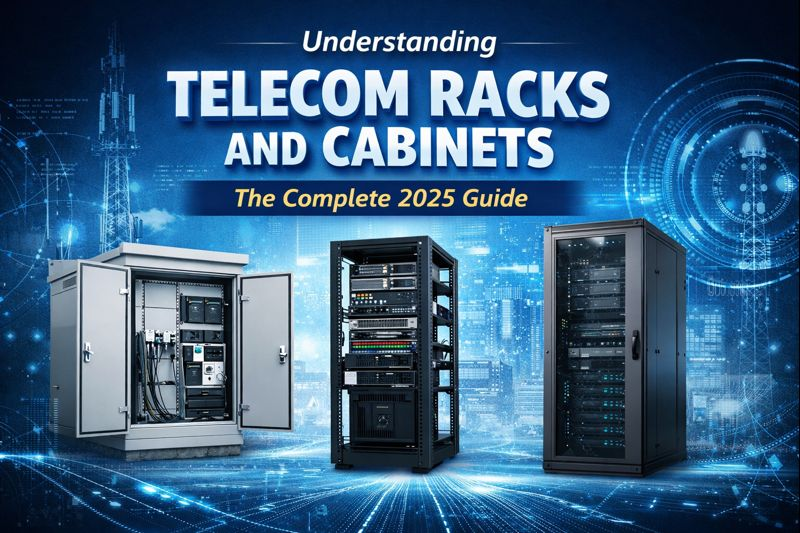
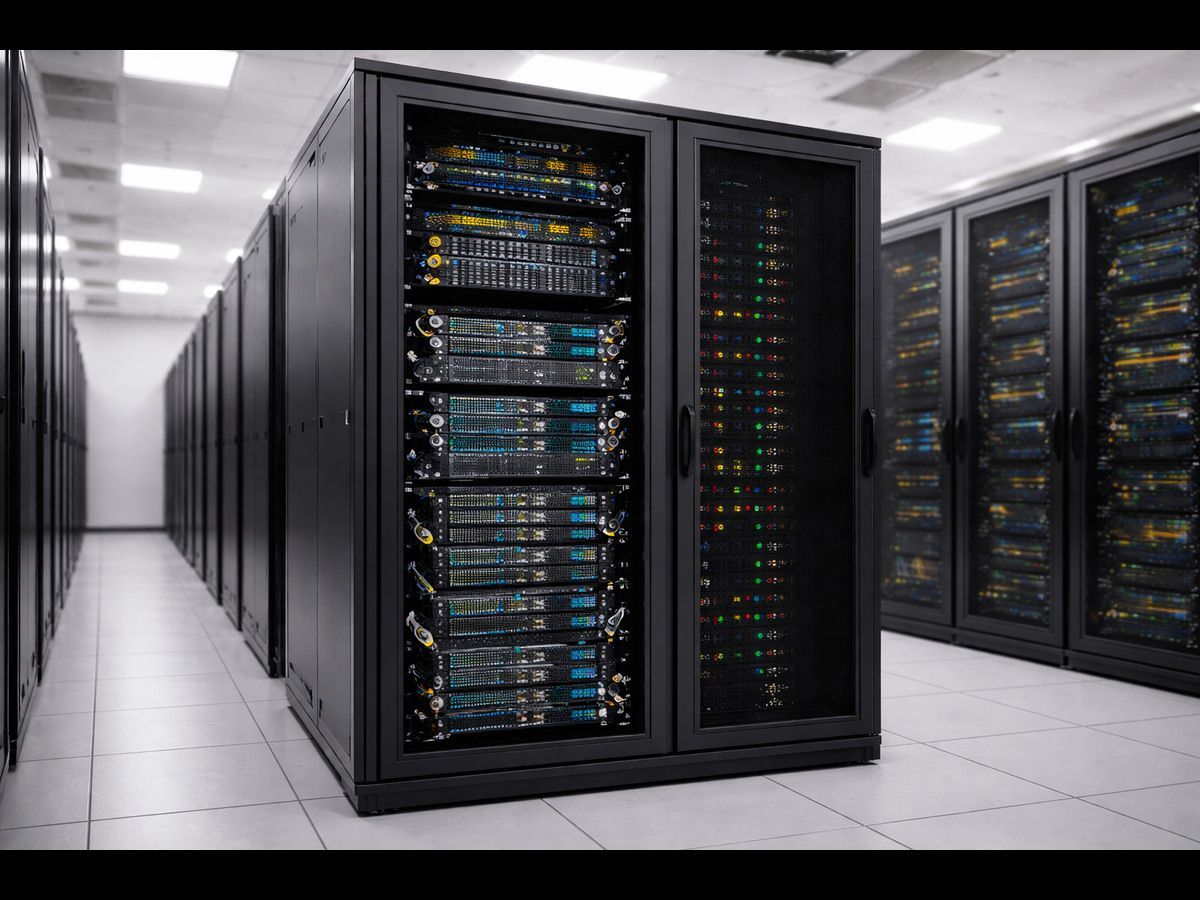
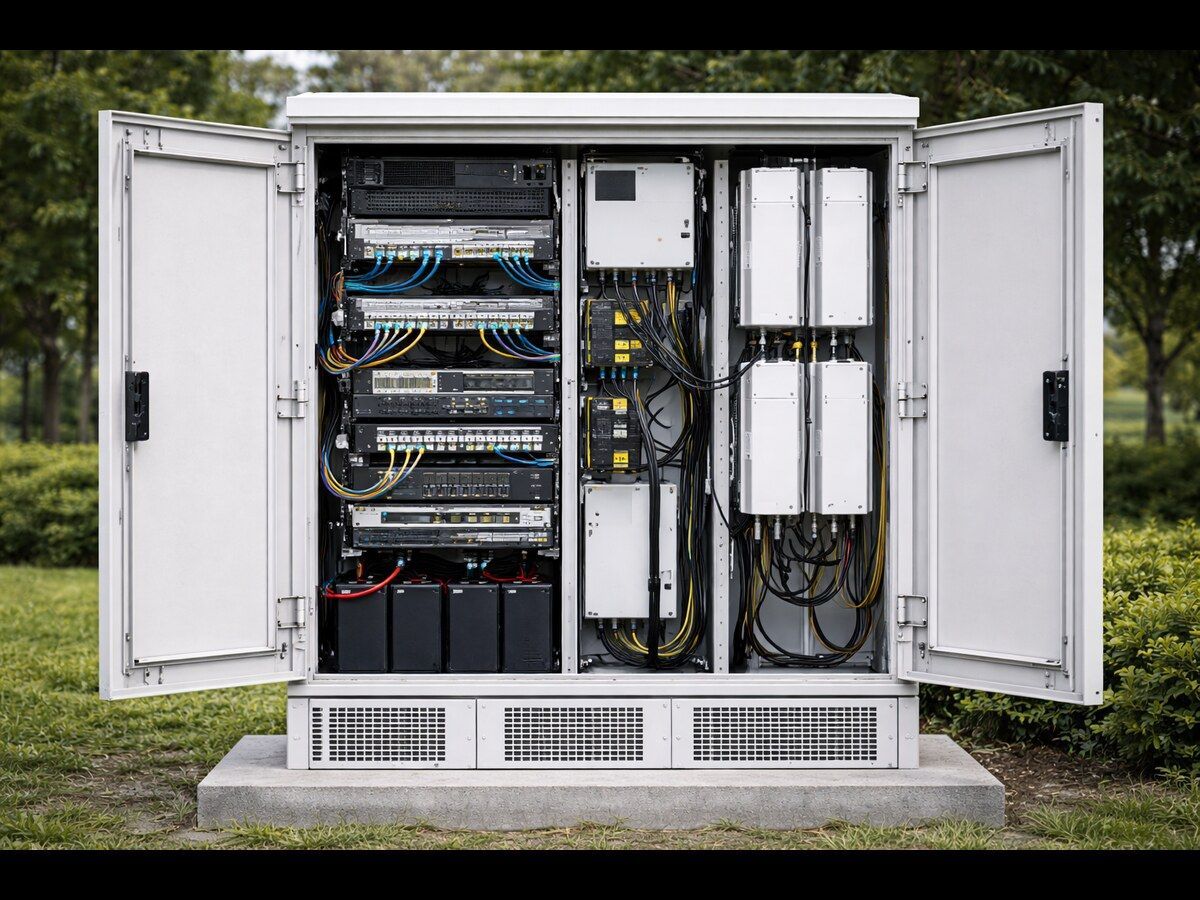
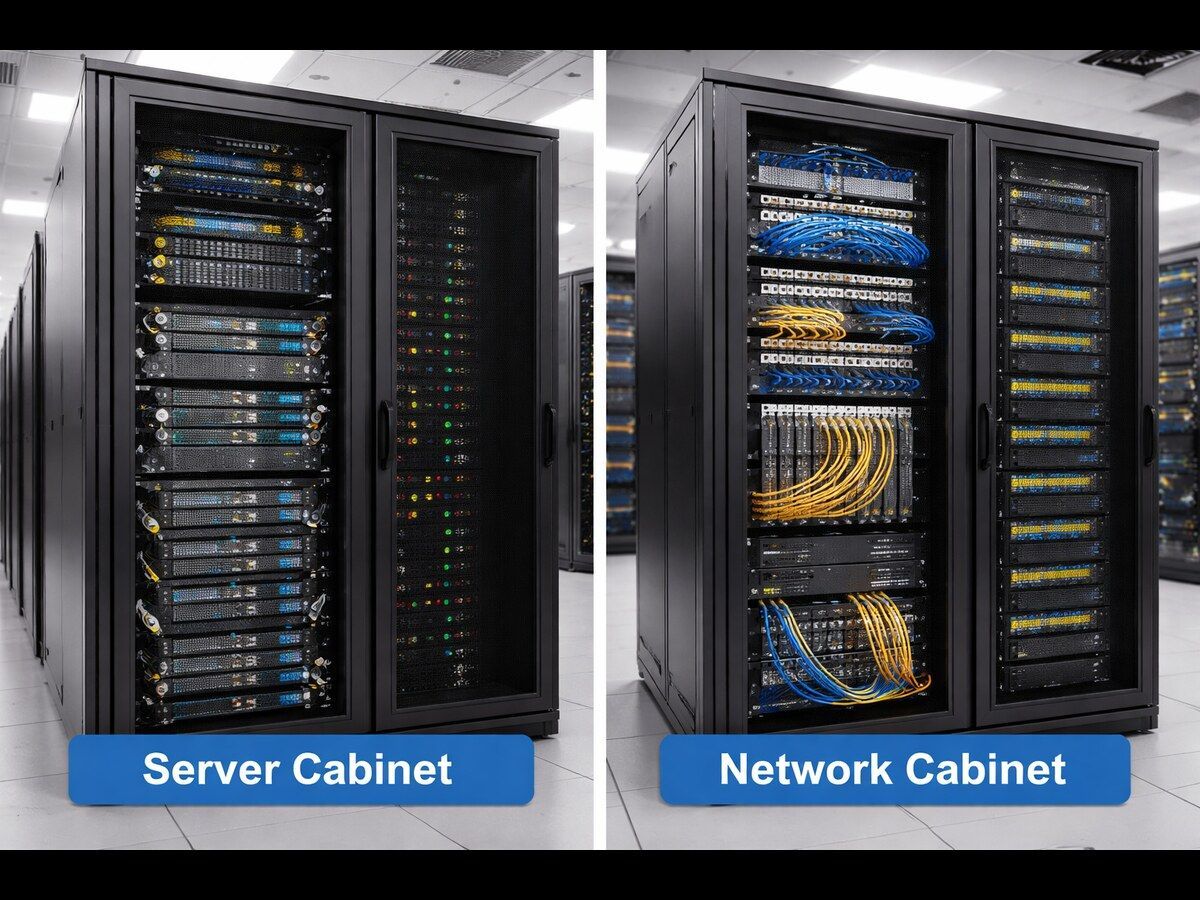
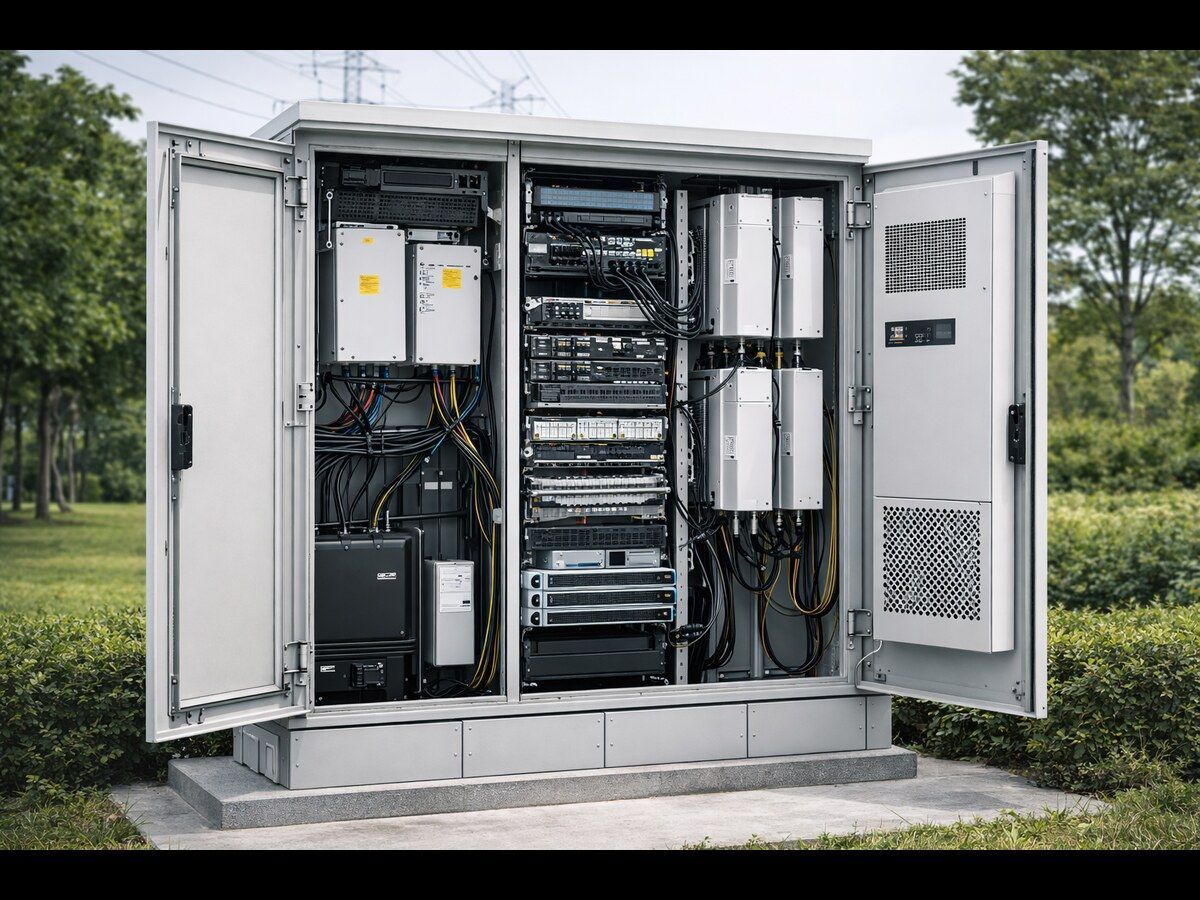
A server cabinet (also called an enclosed rack) looks similar to a server rack at first glance, but with a major difference: it has doors (front and rear) and side panels. It’s like taking a standard server rack and wrapping it in a protective metal shell.
Key characteristics of a server cabinet:
- Fully enclosed: Front and rear doors, and often removable side panels.
- Security: Locking doors to keep equipment safe from unauthorized access.
- Dust and debris protection: Great for industrial settings or offices.
- More organized cable management: Built-in options to route and hide cables.
Server cabinets are ideal for spaces where equipment may be exposed to dust, debris, or where security is a serious concern—like shared workspaces or office corners where people could accidentally or intentionally tamper with equipment.
The Big Differences Between a Server Rack and a Server Cabinet
Server racks and server cabinets both house IT equipment, but they differ significantly in design and functionality. A server rack is an open-frame structure with no doors or panels, offering maximum airflow and easier access for maintenance, making it a cost-effective and lightweight option. However, it provides minimal protection against dust, debris, and unauthorized access. On the other hand, a server cabinet is a fully enclosed unit with locking doors and side panels that enhance physical security and protect equipment from environmental elements. It usually includes more advanced cable management options and may require built-in fans to maintain controlled airflow. While server cabinets offer better protection and organization, they are generally heavier and more expensive than open-frame racks.
When Should You Choose a Server Rack?
If you’re building a dedicated server room or data center where only trained personnel have access, a server rack could be the better choice. Here’s why:
- Better airflow: Open design naturally keeps equipment cooler.
- Easy maintenance: Technicians can easily reach equipment from any side.
- Lower upfront cost: Great for startups or smaller setups.
- Flexibility: Easier to rearrange or add equipment.
Think of it this way: a server rack is like an open bookshelf in a private study—it keeps everything organized and easy to reach.
When is a Server Cabinet the Best Fit?
On the other hand, if your equipment is in a shared workspace, office, or anywhere with people constantly moving around, a server cabinet is usually the smarter pick:
- Security: Locking doors deter theft or tampering.
- Protection: Keeps out dust, accidental spills, or physical knocks.
- Cleaner look: Hides messy cables and creates a more professional appearance.
- Noise reduction: Some cabinets are designed to help reduce equipment noise.
A server cabinet is more like a locked display case: your valuable gear is still on display but protected from harm.
How to Choose Between the Two?
The choice often boils down to a few questions:
- Where will the equipment be installed?
- Who will have access to it?
- Is dust, debris, or noise a concern?
- What’s your budget?
At Iceberg Cabinet, we always help clients in Texas choose the best solution by understanding their unique environment and business needs.
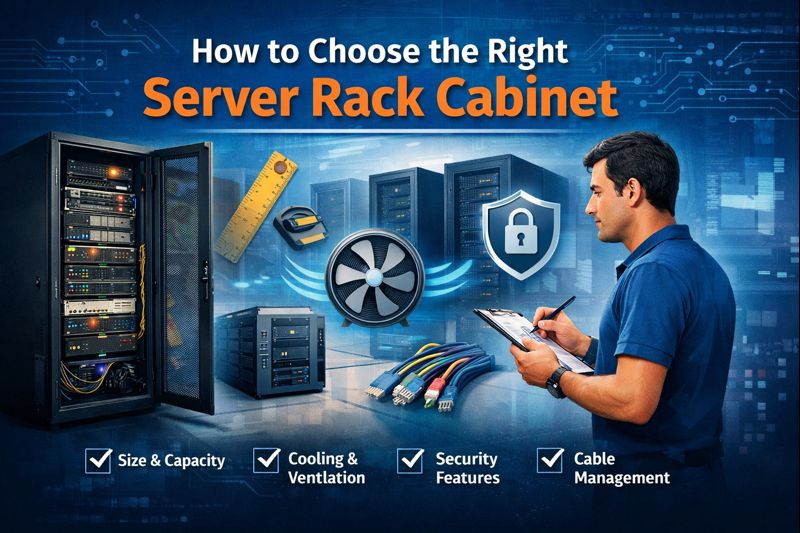
Extra Tips for Making the Right Choice
- Plan for growth: Always choose a rack or cabinet with extra space.
- Check dimensions: Measure your servers and networking gear carefully.
- Think about cooling: Make sure your choice won’t cause overheating.
- Cable management: Plan your cabling strategy to avoid tangles later.
Final Thoughts
At the end of the day, both server racks and server cabinets do an excellent job at what they’re meant for—but each shines in its own way. If you need maximum cooling and easy access, go for a server rack. If security, dust protection, and a clean look matter more, then a server cabinet is the better investment.
Need help picking the right one? Iceberg Cabinet offers a range of telecom and server rack cabinets right here in Texas—built for performance, durability, and peace of mind.